Thursday, May 9, 2013

Ascension Day

Today marks the 40th day since Easter Sunday and marks the day that the Lord Jesus Christ ascended to Heaven. It is most commonly known as Ascension Day, but can also be known as Holy Thursday, Feast Day of the Ascension, or Ascension Thursday. To Christian churches, this day is equal with Feasts of the Passion, Easter, and Pentecost.

This day is usually celebrated with feasts and in some areas has been moved to the following Sunday. Many different ceremonies are used to illustrate the ascension of Christ, and in some instances the descending of Satan. There are other rituals connected with it such blessings of fruits and beans, lighting of candles, the extinguishing of the Easter or paschal candle, and processions of torches and banners affixed with emblems of fruits and vegetables. Even Johann Sebastian Bach, the celebrated composer,  created several cantatas and a piece called the Ascension Oratorio which was to be performed in church services on this day.

Often there is an Afterfeast that lasts for 8-days until the Friday before Pentecost which ends the Easter cycle.

Some claim that this day has been practiced since the beginning of the Christian faith, but no recorded evidence exists before the 4th Century.

The description of the Ascension of Christ comes to us in the Books of Luke (24:50-53) and Mark (16:19) as well as in the Acts of the Apostles (1:9-11). The Ascension is one of the five milestones in the Gospel narrative of the life of Christ; the others are the Baptism, Transfiguration, Crucifixion, and Resurrection. It is after Christ's Ascension that angels appear before the Apostles and describes to them the Second Coming of Christ as coming back in a like manner.

It is interesting to note that as a Knights Templar, most Commanderies do not hold an Observance for this day. It is curious to note in older Templar monitors that there was a ceremony that laid out a ceremony for an Ascension Observance. It's a fascinating to read. I know some Commanderies do celebrate this and from I've read it's on the following Sunday, on Pentecost.

Remember this day.

Monday, May 6, 2013

United States Vice Presidents and Freemasonry

Well, I've previously written two articles that have mentioned those Masons who have served the United States as President, but I have not honored those who served as Vice President. Out of the 47 Vice Presidents, 18 of them have been Freemasons.

George Clinton

He served as the 4th Vice President and the first to die while in office. He served under Presidents Jefferson and Madison. He had previously served as Governor of New York, member of the Continental Congress, and General during the American Revolution.


It is unsure when he was initiated into Masonry, but it is appears to be a member of Warren Lodge #17 in NYC where he served as Worshipful Master in 1800.


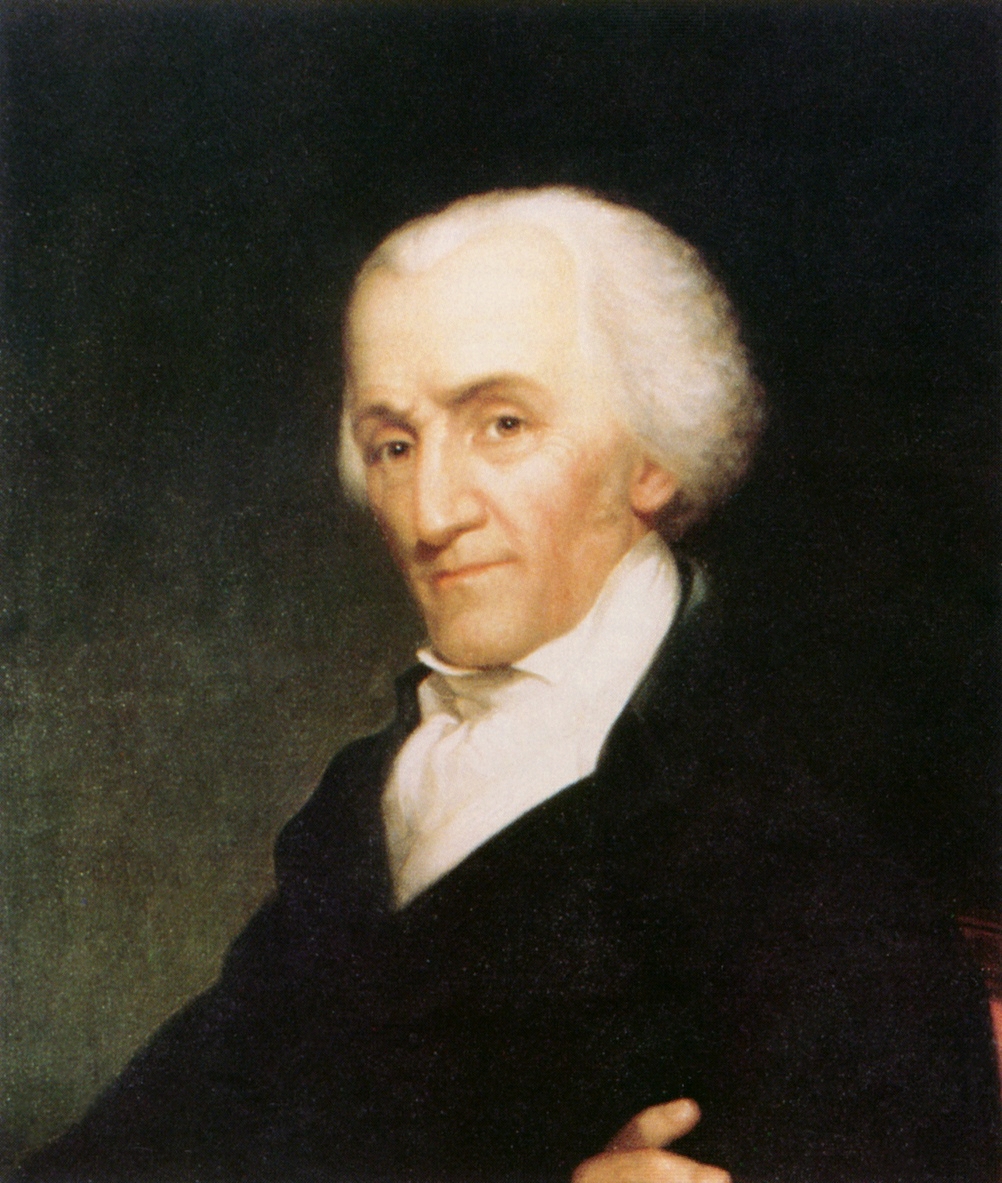
Elbridge Gerry

Ebridge Gerry served as the 5th Vice President and also died while serving for President Madison. He was a Signer of the Declaration of Independence, a delegate to the Continental Congress, and Governor of Massachusetts from 1810-1811.

Although it's not something to honor, he is most well-known for what we know today as "gerrymandering" which is the practice that attempts to establish a political advantage for a particular party or group by manipulating district boundaries to create partisan advantaged districts. This term came about as a result of Governor Gerry's redrawing of Massachusetts state senate election districts, in the shape of a salamander, which would benefit the Democratic-Republican Party.

It is believed that he was a member of Philanthropic Lodge of Marblehead, MA, but the records of this lodge are missing from the period 1760-78 when he logically would have been initiated.

Daniel D. Tompkins

He served as the 6th Vice President under President Monroe. Previously he had served as a member of the House of Representatives, an Associate Justice of the US Supreme Court, and as Governor of New York.

He was made a Mason in Hiram Lodge #72 in Mt. Pleasant, NY, on Feb 3, 1800. After the Lodge closed he was admitted as a member of Salem Lodge #74 in Westchester County, NY. He served as Deputy Grand Secretary, Grand Secretary, and Grand Master of the Grand Lodge of NY.

He was a member of the Royal Arch Masons and Knights Templar. He was an honorary member of Morton Commandery #4 in NYC. He received the 32° on Nov 8, 1808. 5-years later he received the 33° at the hands of the Provisional Supreme Council and was immediately elected as the first Sovereign Grand Commander of the newly formed Supreme Council of the Ancient & Accepted Scottish Rite, Northern Masonic Jurisdiction. He served in this office until his death in 1825.

Richard M. Johnson

He served as the 9th Vice President under President Van Buren. He previously served in the House of Representatives and the US Senate. In the electoral vote for Vice President in 1837, no candidate gained a majority in the Electoral College, and the election was thereby thrown into the Senate. He came out the victor and is the only Vice President to be elected by such means.

The dates into which he entered Freemasonry are not known, but he is known to be a member of Hiram Lodge #4 in Frankfort, KY. He is listed as a Past Master in the records of the meeting of Oct 1, 1806, and demitted in June 20, 1808. His name appears as member and Past Master in the records of Mt. Vernon Lodge #14 in August of 1807. He is also listed as a member of Mt. Vernon Chapter (later renamed Georgetown Chapter #13), Royal Arch Masons, in Georgetown, KY.


George M. Dallas

He served as the 11th Vice President for President Polk. He also served as Mayor of Philadelphia, US Senator, Minister to Russia, and Minister to Great Britain.

He was initiated into Franklin Lodge #134 in Mar 21, 1818, in Philadelphia, PA. He served as Master of this Lodge in 1820 and 1821. He served the Grand Lodge of Pennsylvania in 1835. Most likely due to the anti-Masonic crusade sweeping through the United States the Franklin Lodge closed its doors and when it reorganized 14-years later he did not rejoin it.

During the anti-Masonic years he was actually called to a hearing to testify against the Masonic fraternity. He refused to be sworn in and the inquisition failed. He attended the May 1, 1847, Masonic cornerstone dedication of the Smithsonian Institution. There are records of his further Masonic activities. He died on New Year's Eve 1864 and the Grand Lodge of Pennsylvania held a memorial service for him in 1865.

William R. King

He served as the 13th Vice President where he died in office from poor health while serving under President Pierce. He also served in the House of Representatives, US Senate, President Pro Tempore of the Senate, and Minister to France.

He was a member of Phoenix Lodge #8 in Fayetteville, NC. He was Initiated in April of 1808, May 5, 1809, and Dec 15, 1810.


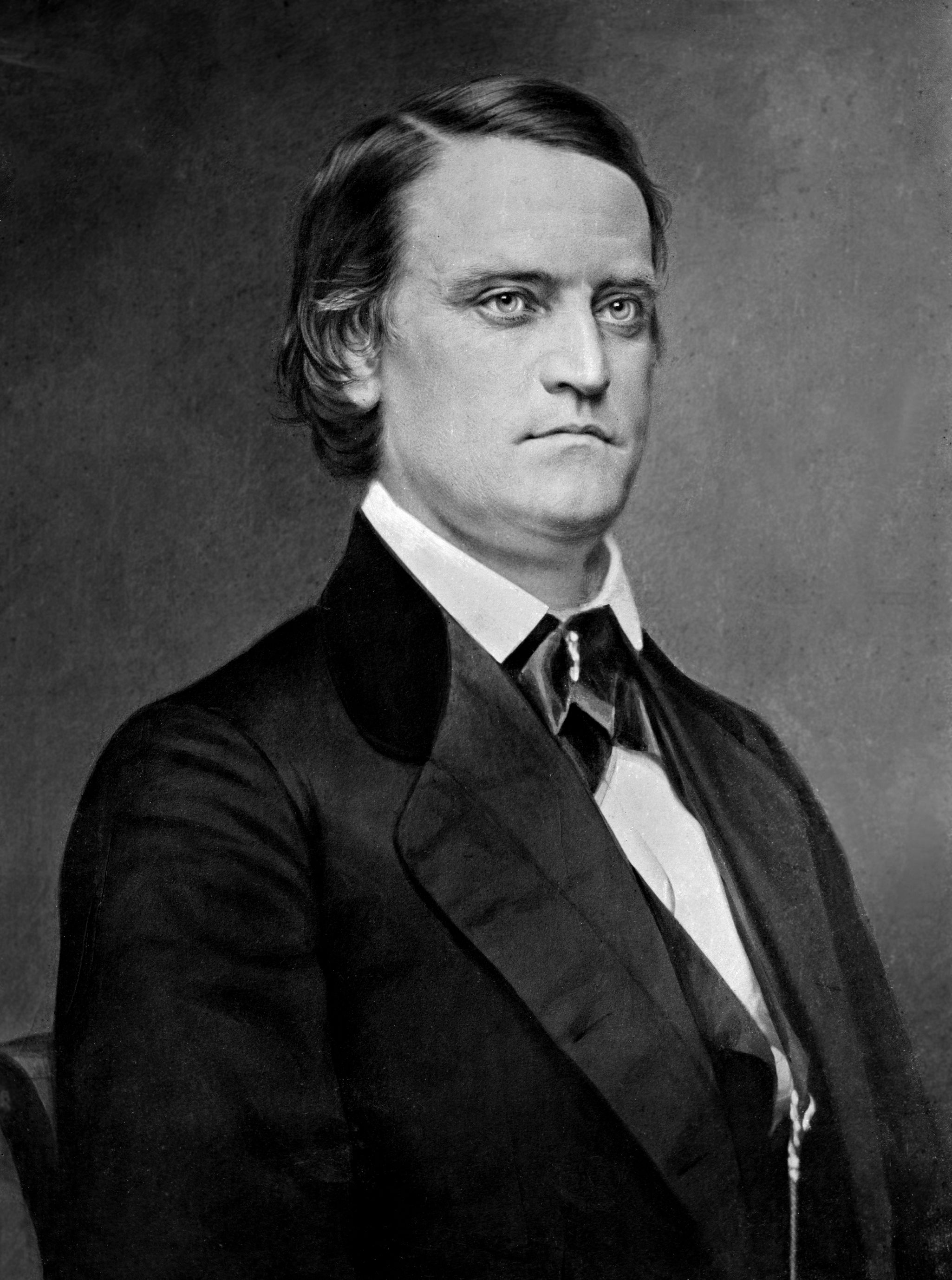
John C. Breckenridge

He served as the 14th Vice President under President Buchanan. He also had served as a Major in the War with Mexico, Congressman in the US House of Representatives. During the Civil War he would serve in the Confederate Army as a Major General. He also served as Secretary of War under Jefferson Davis until the end of the war when he fled to Cuba and then to Europe, but would eventually return to the States never to enter into politics again.

The dates of initiation are unknown, but he is known to be a member of Des Moines Lodge #41 (now #1) on Feb 7, 1842, in Burlington, IA. After his return to America he would become a member of Good Samaritan Lodge #174 in Lexington, KY, in 1871. He was a member of Temple Chapter #19, Royal Arch Masons, and Webb Commandery #2, Knights Templar, both in Lexington and would receive the 33° on Mar 28, 1860. When he died in 1875 he was buried with Templar honors.

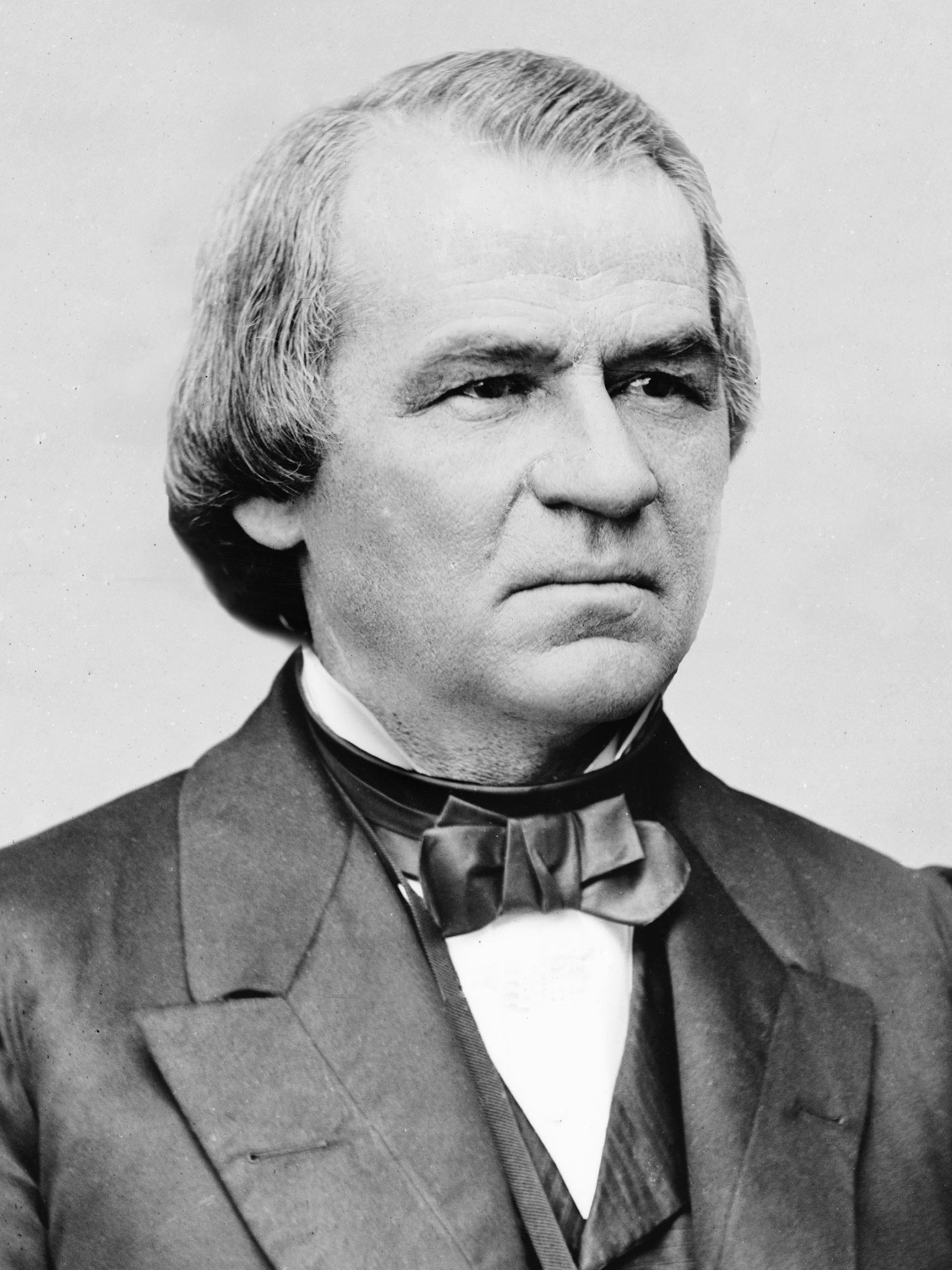
Andrew Johnson

He served as the 16th Vice President until he ascended to President after Lincoln had been assassinated. He also served as a member of the US House of Representatives, US Senate, and as Governor of Tennessee.

He was Initiated, Passed, and Raised in Greeneville Lodge #119 (now #3) at Greeneville, TN, in 1851. He was probably a member of Greeneville Chapter #82, Royal Arch Masons, since he joined Nashville Commandery of Knights Templar #1 in 1859. He received the Scottish Rite degrees in the White House in 1867.


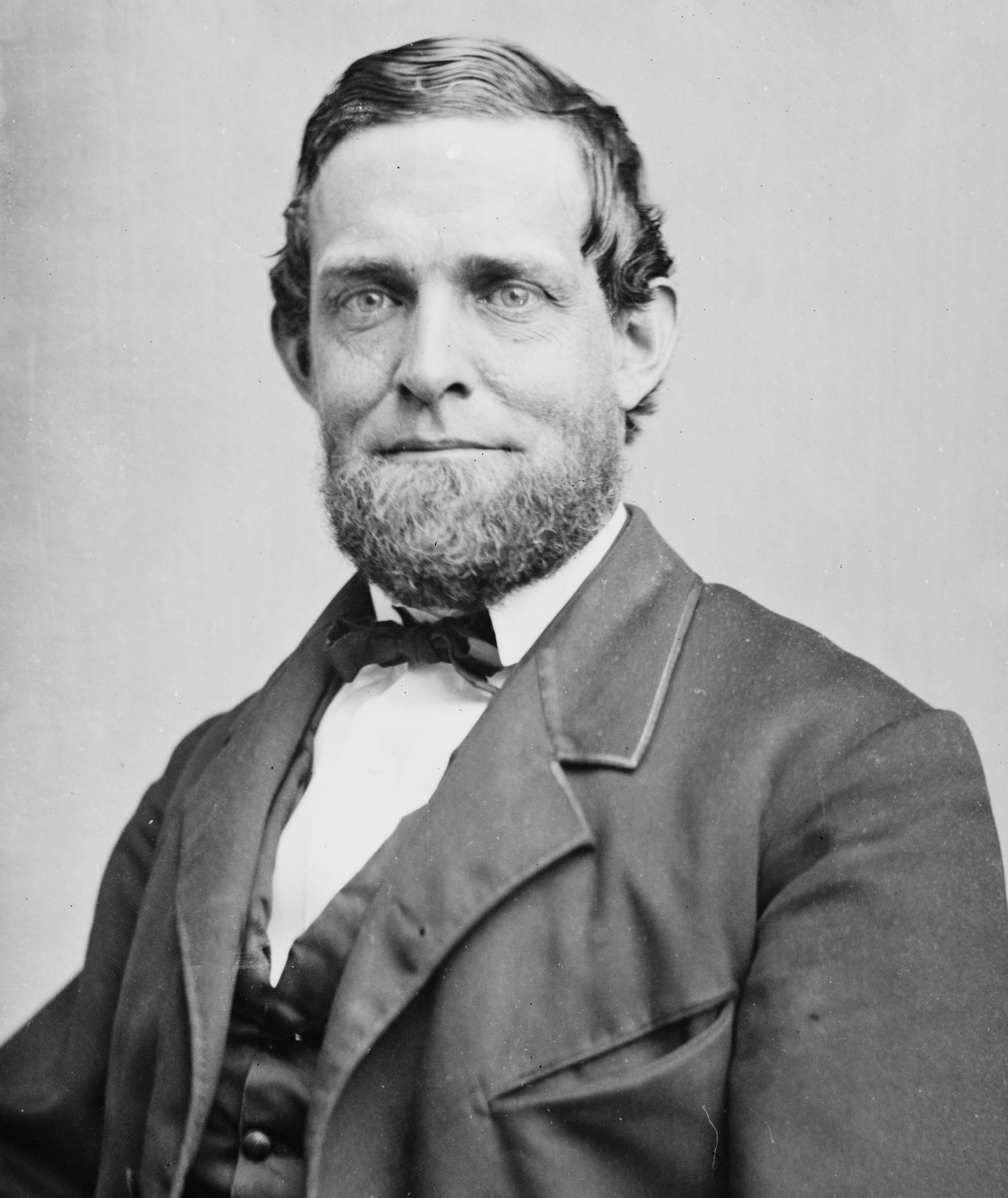
Schuyler Colfax

Colfax served as the 17th Vice President under President Grant. He had previously served in the US House of Representatives where he served as Speaker of the House.

He was Initiated as an Entered Apprentice in Lebanon Lodge #7, Washington DC, on Aug 15, 1856, and the other two degrees were performed by St. Joseph Lodge #45 in South Bend, IN.


Adlai E. Stevenson

He served as the 23rd Vice President under President Cleveland. He had previously served in the US House of Representatives. He also served as District Attorney, member of the House of Representatives, and Assistant Postmaster General.

He received the degrees of Masonry in the now extinct Metamora Lodge #82 in 1858 in Metamora, IL. He later affiliated with Bloomington Lodge #43 in Bloomington, IL, and served as Master in 1874. He served the Grand Lodge of Illinois as Grand Orator in 1895-96. He was a member of Stewart Peoria Chapter #7, Royal Arch Masons; Metamora Council #38, Cryptic Masons; and DeMolay Commandery #24, Knights Templar, in Bloomington.


Garret A. Hobart

He served as the 24th Vice President under President McKinley where he died in office. He had previously served as President of the New Jersey Senator.

He was Initiated to the degree of Entered Apprentice Mason on July 9, 1867; Passed to the degree of Fellowcraft on Oct 31, 1867; and Raised to the Sublime degree of Master Mason on Dec 8th, 1868, in Falls City Lodge #82 in Paterson, NJ. He was initiated into Cataract Chapter #10, Royal Arch Masons, on Nov 6, 1871, and dubbed a knight in St. Omer Commandery #13, Knights Templar, in the same year. He would become a charter member of Adelphic Chapter #33, Royal Arch Masons, on Oct 13, 1874, and charter member of Melita Commandery #13, Knights Templar, on May 10, 1876. He would become a life member of Washington Commander #1 in Washington DC. He received the 32° of the Scottish Rite degrees in Jew Jersey on Jan 31, 1876.

Theodore Roosevelt


Replacing Hobart, Roosevelt served as the 25th Vice President until he ascended to the office of President after the assassination of McKinley. He was known as the barrel-chested "bull moose" hero of the Spanish-American War and had previously served as Governor of New York as well as Assistant Secretary of the Navy.

He was Initiated, Passed, and Raised in Matinecock Lodge #806, Oyster Bay, NY in 1901. He was an honorary member of Pentalpha Lodge #23 in Washington DC. He was present at many cornerstone dedications like the one done for the House of Representatives office building on Apr 14, 1906.


Charles W. Fairbanks


Mr. Fairbanks served as the 26th Vice President under President Teddy Roosevelt. He also served as a Chairman of the Indiana Republican Convention and US Senator.

He was made a Mason "at sight" in Oriental Lodge #500 in Indianapolis, IN, on Dec 27, 1904. He was exalted to degree of Royal Arch Mason on Mar 20, 1905, in Keystone Chapter #60 and created a Knight Templar in Raper Commandery #1 on June 26, 1905, in Indianapolis. He received his 32° in Indiana Consistory at Indianapolis on Nov 8, 1905, and a member of Murat Shrine Temple, Indianapolis on Apr 12, 1907.

Thomas R. Marshall


He served as the 28th Vice President under President Wilson. He had previously served as Governor of Indiana.

He received the degrees of Masonry in Columbia City Lodge #189 in Columbia City, IN, in 1881. He was a member of Columbia Chapter #54, Royal Arch Masons, where he served as High Priest from 1889 to 1895, and served the Grand Chapter of Indiana as Grand high Priest in 1899-1900. He was a member of Columbia City Council #55, Cryptic Masons, where he served as Illustrious Master from 1887 to 1893, and served the Grand Council of Indiana as Illustrious Grand Master in 1895-1896. He was knighted in Ft. Wayne Commandery #4, Knights Templar. He would become a charter member of Cyrene Commandery #34 in Columbia City on Apr 20th, 1892, where he served as Eminent Commander in 1897-1898

He received the 32° in Indiana Consistory on Apr 19, 1888, and the 33° on Sep 20, 1898, and became an active member of the Supreme Council of the Ancient & Accepted Scottish Rite, Northern Masonic Jurisdiction, on Sep 21, 1911.

Henry A. Wallace

He served as the 33rd Vice President under President Franklin D. Roosevelt. He had previously been the Secretary of Agriculture and Secretary of Commerce.

He received the degrees of Masonry in Capital Lodge #110 in Des Moines, IA, in 1927. He received the 32° in Des Moines in 1928, but would affiliate with the Scottish Rite in Washington DC in 1935.


Harry S. Truman


He served as the 34th Vice President until he ascended to the office of President after FDR's death. He had previously served as a US Senator.

He was Initiated on Feb. 9, 1909, in Belton Lodge #450, Grandview, Missouri, and, later in that year, he was Raised to the Sublime Degree of Master Mason. In 1911, Truman was the first WM of the new Grandview Lodge #618. He served as Grand Master of Missouri from 1940-1941. He served as Worshipful Master of Missouri Lodge of Research while U.S. President, as well as Masonic Ritualist, District Lecturer, and Deputy Grand Master for several years, buried with Masonic rites in Independence, MO, in televised ceremony. He also received the degrees of the Scottish Rite, eventually getting consecrated as a 33° Scottish Rite Mason. When he visited lodges all over the country, he preferred to be introduced as a Past Grand Master rather than as President.

Hubert Humphrey

Hubert Humphrey served as the 38th Vice President under President Lyndon Johnson. He had previously been a US Senator and served as Senate Majority Whip.

I can find very little of his Masonic affiliation other than he was a member of Cataract Lodge #2 in Minneapolis, MN. It's also believed that he was a member of the Knights Templar so we could also assume with that that he was a member of the Royal Arch Masons, but this has not been confirmed.


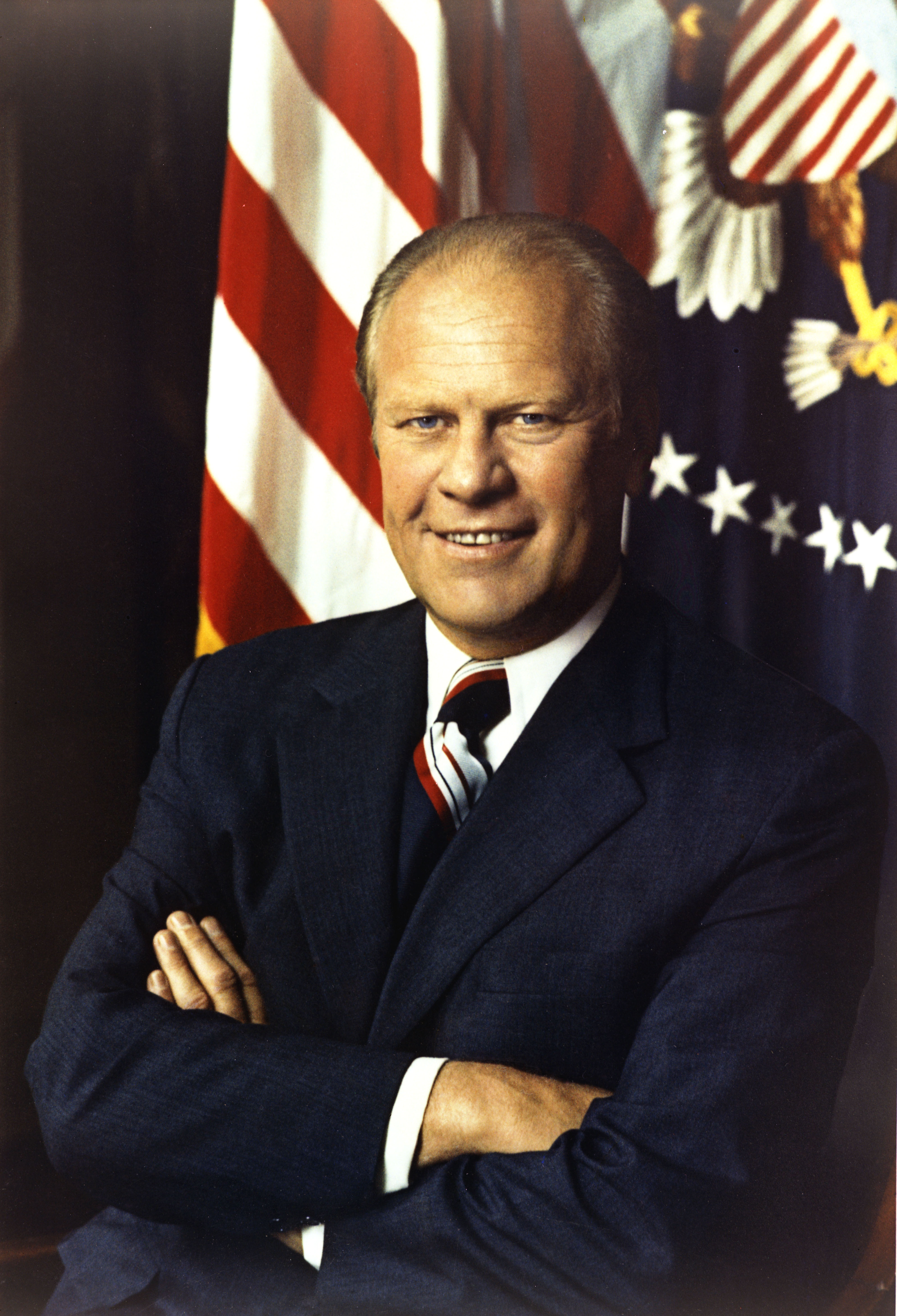
Gerald Ford


In a politically turbulent time, Ford served as the 40th Vice President, after the resignation of Spiro Agnew as a result of the Watergate Scandal. He would serve under President Nixon until Nixon's resignation and would ascend to the office of President. He had previously served in the House of Representatives where he served as House Minority Leader.

He was Initiated an Entered Apprentice on Sep 30, 1949, in Malta Lodge #465, Grand Rapids, MI; Passed and Raised as a courtesy in Columbia Lodge #3, Washington DC, Apr 20 & May 18, 1951 respectively. He also received the degrees of the Scottish Rite.


References

1. Bessel, P. (n.d.). U.S. Presidents and Freemasonry. Retrieved from Paul M. Bessel's Homepage: http://bessel.org/presfmy.htm 

2. Bessel, P. (n.d.). Vice Presidents of the U.S. & Freemasonry. Retrieved from Paul M. Bessel's Homepage: http://bessel.org/vpmas.htm 


3. Denslow, W. R. (1957). 10,000 Famous Freemasons. Retrieved from Phoenix Masonry: http://www.phoenixmasonry.org/10,000_famous_freemasons/ 


4. Gerrymandering. (n.d.). Retrieved from Wikipedia: http://en.wikipedia.org/wiki/Gerrymandering#Etymology 

5. King, E. L. (n.d.). Famous Freemasons (A-L). Retrieved from Masonic Info: http://www.masonicinfo.com/famous1.htm 

6. King, E. L. (n.d.). Famous Freemasons (M-Z). Retrieved from Masonic Info: http://www.masonicinfo.com/famous2.htm 

7. List of Vice Presidents. (n.d.). Retrieved from Wikipedia: http://en.wikipedia.org/wiki/List_of_Vice_Presidents_of_the_United_States#List_of_Vice_Presidents

8. Grand Lodge of Minnesota. (n.d.). Retrieved from Wikipedia: http://en.wikipedia.org/wiki/Grand_Lodge_of_Minnesota 

9. Grand Lodge of the Month - July 2009. (n.d.). Retrieved from George Washington Masonic Memorial: http://gwmemorial.org/glotm/glotm200907.php

Thursday, May 2, 2013

I See You've Traveled Some

By Unknown

Wherever you may chance to be
Wherever you may roam,  

Far away in foreign lands; 
Or just at Home Sweet Home;  

It always gives you pleasure, 
it makes your heart strings hum  

Just to hear the words of cheer, 
"I see you've traveled some."  

When you get a brother's greeting, 
And he takes you by the hand,  

It thrills you with a feeling that you cannot understand,  
You feel that bond of brotherhood that tie that's sure to come  

When you hear him say in a friendly way 
"I see you've traveled some."  

And if you are a stranger, 
In strange lands all alone  

If fate has left you stranded 
Dead broke and far from home,  

It thrills you--makes you numb, 
When he says with a grip of fellowship, 
"I see you've traveled some."  

And when your final summons comes, 
To take a last long trip,  

Adorned with Lambskins Apron White 
 and gems of fellowship  

The tiler at the Golden Gate, 
With square and rule and plumb  

Will size up your pin and say "Walk In", 
"I see you've traveled some."

Monday, April 22, 2013

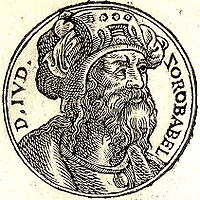
Zerubbabel

As he is not involved with the first building of King Solomon's Temple, Zerubbabel is not portrayed in the Craft or Symbolic Degrees of the Blue Lodge although in several appendant orders he is an important figure. He makes his first appearance in the degrees relating to the Jews returning to Jerusalem from Babylonian captivity and the story surrounding the rebuilding of the Second Temple, both in the degrees under the Royal Arch Masonry and Scottish Rite Masonry.

Zerubbabel, the Prince of Judah, is according to the Bible the grandson of King Jehoiachin (also referred to as Jehoiakim or Jeconiah) who was deposed by Nebuchadnezzar and resulted in the Jewish captivity in Babylon which would eventually be conquered by the Persian Empire. During the reign of King Cyrus, the Jews were allowed, by decree, to return to Jerusalem and rebuild the city and Holy Temple. Many sacred items and vessels were returned to the Jewish people that had been taken by Nebuchadnezzar.

Their journey home was not an easy one for even though they had a royal decree allowing them back; the enemies of the Jews still fell upon them and hindered their progress. They make it back to Jerusalem after months of long marches which resulted in their arrival to Jerusalem on the 22nd of June, circa 535 BC.

Once rested, the Jews convene a Council which was presided over by Zerubbabel as King, Jeshua as High Priest, and Haggai as Scribe. Here plans were drawn up as to how to commence with the rebuilding of the Temple which is decided to build upon the ruins of King Solomon's Temple. This story sets the stage for the Royal Arch degree and as one is conducted through this degree he learns that it was necessary to remove the rubbish of the old Temple before they could lay the foundation of the new. During this clearing important discoveries are made.

Once the building is commenced, it didn't go smoothly. Samaritans attempted to join in, but are refused. In return for such an action, they with the other enemies ran a campaign of harassment and obstruction as they saw the Jews as a threat. In Freemasonry, we symbolize these builders with the "Sword and Trowel" as they must be both ready to build and ready to defend, as we all must be while we face the trials of life.

When Cyrus died, his son Cambyses, fed by enemy propaganda, ordered the work stopped and the work would not restart until the 2nd year of the reign of Darius, who was a youthful friend of Zerubbabel. Zerubbabel departed Jerusalem to meet with Darius, but was arrested as a spy and taken to Babylon before the Court.

The story goes that at a feast was held where King Darius posed a question as to whether, wine, women, or the King were strongest. Answers were given as to why each was more powerful than the other two. Zerubbabel made a statement in defense of Truth being greater than all things and displayed such wisdom that he won over King Darius and earned his favor. Zerubbabel was able to secure another decree allowing the continuation of the Temple in Jerusalem. After 20-years since its commencement, the Temple was completed and dedicated, although Zerubbabel is not named in Biblical texts as being present. It is not known how he died, but some speculate that he may have been executed by the Persian court, but there is no concrete fact to support this.

Many speculate as to the origins of the name "Zerubbabel". Some say it could be a contraction of two Hebrew or Assyrian words that means "one sown of or conceived in Babylon". Now it is wondered as to whether or not Zerubbabel is the same person with the Babylonian name "Sheshbazzar" identified in Ezra 1:8 as the "Prince of Judah" and who also held the same title of Governor of Judah. Some believe though that Sheshbazzar was Zerubbabel's uncle.

It is interesting to note that when a Chapter of Royal Arch Masons is opened it is dedicated to Zerubbabel. Jeshua was the High Priest in the time of Zerubbabel and the presiding officer of a Chapter of Royal Arch Masons is known as the High Priest to commemorate the legend of the rebuilding of the Second Temple. Zerubbabel is illustrated in the Chapter as the second-in-command known as the King, although there is no evidence that he actually ever took that title even though it is said he is of the Davidic lineage.

Zerubbabel plays a part in the Royal Arch degree, Illustrious Order of the Red Cross, Order of the Knight Masons, and the 15° and 16° of the Ancient & Accepted Scottish Rite. Zerubbabel, like that Illustrious Martyr of the Symbolic Lodge, is a figure representing Truth and Fidelity. Let us remember the lessons exemplified by this legendary figure.

References

1. 16th Degree. (n.d.). Retrieved from Chapter of Rose Croix, Degree Descriptions: http://bakersfieldscottishrite.org/16th%20Degree.html 

2. Zerubbabel: Who Was He? (2010, October 20). Retrieved from The Masonic Leader: http://themasonicleader.com/?p=267 

3. Zerubbabel. (n.d.). Retrieved from Masonic Dictionary: http://www.masonicdictionary.com/zerubbabel.html 

4. Zerubbabel. (n.d.). Retrieved from Wikipedia: http://en.wikipedia.org/wiki/Zerubbabel 

5. Zerubbabel. (n.d.). Retrieved from Jewish Encyclopedia: http://www.jewishencyclopedia.com/articles/15251-zerubbabel 

6. Zerubbabel Council Princes of Jerusalem. (n.d.). Retrieved from Valley of South Bend, AASR: http://www.southbendscottishrite.org/zerubbabel-council-princes-of-jerusalem


7. Short Talk #7 - Royal. (n.d.). Retrieved from York Rite of Texas: http://texasyorkrite.org/chapter/forms/general/ShortTalk7Royal.pdf

8. The Holy Bible, KJV

Sunday, April 21, 2013

2013 Grand York Rite Sessions of Idaho

Well after my installation as Worthy Patron, I drove down to Idaho Falls which is roughly 4-hours from Boise. Only in Idaho would we measure travel time by hours not by mile driven.

Day 1

After arriving in Idaho Falls, I was one of the candidates for the Idaho Chapter of the Order of Knights Preceptor. I then assisted in the conferral of the Order of High Priesthood and Order of the Silver Trowel.

Day 2

After a restful night's sleep, I attended the Joint Session of the Grand York Rite bodies of Idaho and, in the afternoon, Grand Conclave of the Grand Commandery of Knights Templar of Idaho.

In the evening Tri-Valley College No.178 held its annual business meeting and elections. I was appointed as Seneschal for the ensuing year.

Day 3

The 3rd day started with the opening of the Grand Council of Cryptic Masons of Idaho. The regular business was assorted through and Companion Jay A. Leonard was elected as Most Illustrious Grand Master who appointed me as Grand Chaplain for this year.

In the afternoon the Grand Chapter met. I not only advanced in the line to the Grand Master of the 2nd Veil, but I also was appointed the Grand Representative to Indiana.

In the evening the Grand Banquet started and awards were given. A friend of mine Jeremy from Twin Falls received the Knights Templar Cross of Honor (KTCH) which is the highest award that the Grand Encampment bestows. The Cryptic Mason of the Year was awarded to Bob, a Companion from Idaho Falls. The Distinguished Service Medal (Bronze) was received by Companion and Sir Knight, Rick Rowe, who is our newly installed Grand Commander.

After the banquet ended, I met with an old friend and Brother who I had not seen in a long time.

Now I'm back home and I'm exhausted.

Wednesday, April 17, 2013

Installed as Worthy Patron

Well, tonight I had the honor of being installed as Worthy Patron for my Eastern Star Chapter. The evening went very well and the Installing Team did an excellent job, particularly Bro. Jesse who was my Installing Patron. My mother attended and escorted me to the East after I was invested with the badge of my office.

My color is dark blue which is why all the male officers wear a dark blue bow-tie my mascot for the year is the Owl, a favorite animal of mine; my emblem is the lantern; and my scripture verse is 2 Samuel 22:29 wherein it is written, "For thou art my lamp, O Lord: and the Lord will lighten my darkness." As a gift from the officers of the Lodge I received three owl sculptures of different sizes. 

After the installation was done Jesse and I ran to have a quick drink. Now I am packing and getting ready to travel to Idaho Falls for the weekend to attend the Grand Sessions of the Grand York Rite of Idaho. Then it's back up to Boise on Sunday to attend another OES installation. Thank God for caffeine!

Monday, April 15, 2013

The Tax Poem

In honor of Tax Day here is a funny little poem about taxation in the US:
Tax his land, tax his wage,Tax his bed in which he lays. Tax his tractor, tax his mule,Teach him taxes is the rule.
Tax his cow, tax his goat,Tax his pants, tax his coat. Tax his ties, tax his shirts,Tax his work, tax his dirt.
Tax his chew, tax his smoke, Teach him taxes are no joke. Tax his car, tax his grass, Tax the roads he must pass.
Tax his food, tax his drink, Tax him if he tries to think. Tax his sodas, tax his beers, If he cries, tax his tears.
Tax his bills, tax his gas, Tax his notes, tax his cash. Tax him good and let him know That after taxes, he has no dough.
If he hollers, tax him more, Tax him until he's good and sore. Tax his coffin, tax his grave, Tax the sod in which he lays.
Put these words upon his tomb, "Taxes drove me to my doom!" And when he's gone, we won't relax, We'll still be after the inheritance tax.

Portland Trip

No, I wasn't initiated into another Masonic group. No, this trip was of Brotherly Love. I traveled the 430-miles to go see my Kappa Sigma Pledge Brother, Rudy, get Raised to the Sublime Degree of Master Mason in Cornerstone Lodge No.157 in Portland, OR, last night. I had the pleasure of Raising him. I am very thankful to the Lodge for scheduling this ceremony around my availability.

Rudy and I haven't hung out in many years as he moved away while I was in Iraq and we haven't had a chance to catch up so I was excited when he called me inviting me last month. After the ceremony and refreshments were finished we went over to Friendship Lodge No.160 to watch WB Cliff Porter give a presentation. The Master of the Lodge then invited everyone upstairs for refreshments, and if we so chose, cigars. It was a great day for fellowship.

Now I'm back home in Boise and ready for what this next week of Masonry has to bring.

Monday, April 8, 2013

History of York Rite Masonry in Idaho - Part II: Chivalric & Cryptic Masonry

Continuing from History of York Rite Masonry in Idaho - Part I: Royal arch Masonry, here is the history of Cryptic and Chivalric Masonry in Idaho

Instead of continuing this series by starting with the Cryptic Masons just as it is presented to a new initiate, I will be starting with the Knights Templars for reasons which will be explained below.

Templar Masonry

Though third-in-line of the York Rite bodies the Templar orders stand as second oldest of the York Rite bodies in Idaho (and in most of the US), but the Grand Commandery of Idaho sits as the oldest Grand body of the three York Rite organizations in Idaho.

There existed five Commanderies in Idaho before a Grand Commandery was formed. The first Commandery was given dispensation on May 24, 1882, and chartered as Idaho Commandery No.1 on September 11, 1882; 14-years after the first Royal Arch Chapter was established in Idaho. This Commandery existed just under 22-years prior to the formation of the Grand Commandery.

It would be nearly 9-years before the next Commandery was formed and on August 20, 1891, Lewiston Commandery No.2 was chartered. The third Commandery, Moscow Commandery No.3, was established on August 11, 1892. Gate City Commandery No.4 was the fourth Commandery that was chartered in Idaho and that occurred on August 29, 1895. The final Commandery to be chartered prior to the formation of the Grand Commandery was Coeur d'Alene Commandery No.5 and this occurred on August 4, 1904.

According to the Proceedings on August 31, 1904, Sir Knights from these five Commanderies met and organized the Grand Commandery of Knights Templar of the State of Idaho. Assembling in the Asylum of Idaho Commandery No.1 where the Eminent Commander, John McBirney, called a meeting to order and on motion, Sir Knight James A. Pinney was chosen as Chairman and J.O. Baker as Secretary. After reading the warrant issued by the Most Eminent Grand Master of the Grand Encampment, it was moved to form the Grand Commandery. Sir Knight James Pinney acted in place of the Most Eminent and filled the chairs and held the first elections where he was elected as the first Grand Commander. The officers were as follows:
George H. Olmstead, Deputy Grand Commander
Edward L. Ligget, Grand Generalissimo
John McBirney, Grand Captain General
Daniel W. Church, Grand Senior Warden
Hiram T. French, Grand Junior Warden
John D. McConkey, Grand Prelate
Charles Himrod, Grand Treasurer
J.O. Baker, Grand Recorder
Fred G. Rice, Grand Standard Bearer
I.C. Hattebaugh, Grand Sword Bearer
F.G. Boston, Grand Warder
N.W. Hawn, Grand Captain of the Guard (modern day Sentinel)
Those present were installed in their respective chair and those not present were by order of the Grand Commander to be installed in their respective Asylum. Sir Knight Robert B. Horrie as acting Grand Marshal, proclaimed the officers installed for the first Grand Conclave.

I am happy to say that the original 5 Commanderies are still in operation today. Idaho has never been a large state, our population today is just over 1.5-million people, and our Masonic membership has never been as large as some other states. As with many Masonic bodies across the US and globally, we saw a large decline in our membership and for a while, many Commanderies closed or came close to losing their charter, but in Idaho, a few Commanderies have stayed open due to the hard work of the Sir Knights. One such instance I recall was when a new Eminent Commander started attending my Commandery's meetings and practices, to observe and learn. To do this he had to drive 6-hours (one way) to do so, but in doing this he gained a stronger understanding of the ritual and Drill and Ceremony that he was able to revitalize his Commandery to keep it running.

Cryptic Masonry

The last body to form in Idaho was the Council of Cryptic Masons (or commonly referred to as a Council of Royal and Select Masters).

The first Council in Idaho, Idaho Council at Pocatello was issued a Dispensation by the Officers of the General Grand Council on December 15, 1896. This Dispensation was annulled on October 11, 1897, however. On January 24, 1912 the General Grand Council reissued a Dispensation to Idaho Council No.1 in Boise and chartered it on September 27, 1912. This Council existed 22-years prior to the formation of the Grand Council of the State of Idaho.

On August 31, 1916, Bannock Council No.2 was founded in Pocatello, 18-years prior to the establishment of the Grand Council. A third Council was established in the northern town of Coeur d'Alene who charter was arrested prior to the Grand Council formation. The fourth Council was King Solomon No.4 which was chartered in Payette on September 21, 1921. Meneleck Council No.5 was formed in Gooding on September 9th, 1924, but would later combine with Twin Falls Council No.7.

Cryptic Freemasonry came to Idaho due to the efforts of the Companions of Cyrus Chapter No.2, Royal Arch Masons, who requested that the Chapters in the Idaho Territory be empowered to confer the degrees of the Cryptic Rite and that the same was referred to the Committee on that subject.

Once these 4 Councils were formed they would eventually petition the General Grand Council, of Royal & Select Masters of the United States of America, and receive permission from the Most Puissant General Grand Master, Robert A Woods, to form the Grand Council of Idaho. This would happen upon the call from Companion William Wallin and the Companions assembled at the Hall of King Solomon Council No.4 in Payette, ID, on the 16th of May, 1934.

Companion Wallin was selected by those present to preside over the committee that would establish the Grand Council and Companion Frank Ensign was chosen to serve as Secretary. The meeting proceeded with all the formalities that were needed to form the Grand Council that would conform with the General Grand Council and with the consent of the constituent Councils. Elections were held and the following officers were elected to serve the first Grand Council:
William Wallin, Most Illustrious Grand Master
Albert E White, Right Illustrious Grand Deputy Master
John W Shore, Right Illustrious Grand Principle Conductor of the Work
Edward H Way, Illustrious Grand Treasurer
Frank G Ensign, Illustrious Grand Recorder
J Glover Eldridge, Illustrious Grand Chaplain
Albert W Stone, Illustrious Grand Captain of the Guard
Dell O Bellamy, Illustrious Grand Conductor of the Council
Edward CS Brainard, Illustrious Grand Steward
Jesse E Retherford, Illustrious Grand Sentinel
These officers were installed by Robert A. Woods, General Grand Master, and Albert A Jessup, Installing Grand Marshal.

Three of the four founding Councils are still in operation today. As I noted above, Meneleck Council No.5 would eventually merge into Twin Falls Council No.7 since it put too much strain on the membership to have 2 Councils exist in such close rural proximity and Twin Falls won out due to it being a regional hub.

It's interesting to note that York Rite Freemasonry has always been small in Idaho and that we see similar names appear across the bodies as we do today.

References

1. Denslow, R. V., & Turnbull, E. R. (1956). History of Royal Arch Masonry (Vol. 2). VA. 882

2. Freemasonry in Idaho. (n.d.). Retrieved from Eagle Rock Lodge No.19: http://www.eaglerock19.org/history.php

3. Hodson, J. M., Upton, W. H., Brown, J. W., & Hedges, C. (n.d.). Masonic History of the Northwest. Retrieved from Grand Lodge of Ohio: http://www.freemason.com/library/norwst01.htm

4. Idaho. (n.d.). Retrieved from Encyclopedia of Freemasonry: http://encyclopediaoffreemasonry.com/i/idaho/

5. Proceedings Grand Commandery of the State of Idaho. (1904-1910). Boise, ID, USA.

6. Proceedings of the Grand Council of Royal and Select Masters of the State of Idaho. (1934). Payette, ID, USA.

Tuesday, April 2, 2013

The Escallope Shell

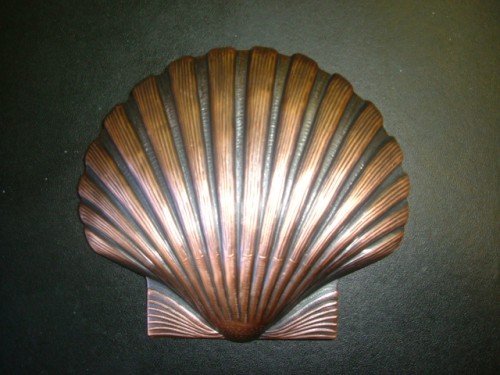
Since I was invited to join the Commemorative Order of Saint Thomas of Acon I was interested in the particular logo, the Escallope Shell. Last Saturday I was initiated into this Order and I have researched much on this peculiar emblem.

By definition, an escallope shell is a decoration in the form of a scallop shell. A scallop is a marine bivalve mollusk that has a radially ribbed shell with the edge undulated (as seen on the right). Shells, regardless of shape, are normally seen as a positive symbol and have been used throughout the history of man for various purposes.

According to Christian tradition, the scallop shell was an emblem of James the Greater and is a popularly used icon by pilgrims on the way to St. James shrine at Santiago de Compostela in Spain. The pilgrims would wear the scallop shell on their hat or clothing, as a mark of their pilgrimage, and later would become a symbol for any pilgrimage in general. One could also carry a scallop shell with and use it when asking for food as even the poorest should be able to afford to offer the pilgrim a scoop of food without burdening their own household so we see the shell emerge as a symbol of charity, even in the smallest way. The scallop shell is associated with this James as legend holds that a knight, or sometimes thought to be a bridegroom, fell into the ocean. Through the miraculous power of St. James (Santiago) the man emerged covered in scallops. To some pilgrims the shell's design symbolizes the many starting points from which medieval pilgrims may begin their journey and that all the roads, like the radial ribs on the shell, are drawn to a single point, the shrine of St. James.

Along with St. James the Greater, the scallop shell is also an emblem of his brother St. John the Evangelist, both of whom were early followers of St. John the Baptist and of Jesus Christ. Many early Christian artworks may show the Baptist pouring water from a scallop shell during Christ's baptism at the River Jordan.


The scallop shell is also a symbol of Baptism and one can also see that priests use scallop shell-shaped dishes to pour water over the heads of the catechumen. A catechumen is one receives instruction from a catechist in the principles of the Christian religion with a view to baptism.

Shells have long been used throughout history which shows that Stone Age people used seashells to adorn their jewelry, homes, and boats. In many cultures, shells were used as money or emblems of various pagan gods. In Roman mythology, shells were symbols of prosperity, regeneration, nurturing, and fertility for which reasons the shell is a representative of Venus, the goddess of love and fertility. Venus is said to be created from the foam carried ashore atop a scallop shell.


In the Order of St. Thomas of Acon, there are three types of escallope shells used to describe one's position: Bronze, Silver, and Gold. Those who wear Bronze shells are members or officers in the local Chapel. Those with Silver shells are Provincial Grand officers. Lastly, the Gold shells are worn by Grand officers. Each of these 3 metals has its own symbolic meaning. Like the symbolism of the shell, I will just cover the metal symbolism briefly as there are many avenues I could discuss with this subject.
Bronze: This metal is a dualistic symbol of human nature, wisdom, warfare, judgment, and humility.

Silver: Through its bright appearance this metal is emblematic of purity, truth, clarity, awareness, vision, and strength.


Gold: Considered the most precious metal, it represents divine nature, perfection, justice, power, strength, success, and immortality.
As Freemasons, let us remember that we start out as Bronze, malleable and impressionable, and through the tests of time, education, and with the guiding hand of God, may we be like the brilliant Silver that when the end of our days comes and we pass beyond the veil of mortality may we flourish in Golden immortality with Him who sits as Judge Supreme.

References

1. The Bronze Snake. (2010, September 27). Retrieved from The Honest Truth: http://verses10.blogspot.com/2010/09/bronze-snake.html

2. A Few Christian Symbols and Their Meanings. (n.d.). Retrieved from Hope Evangelical Lutheran Church: http://www.hope.evangelical-lutheran.ca/symbols.htm 

3. Biblical Symbol Chart. (n.d.). Retrieved from The Revelation of Jesus Christ: http://www.revelation-today.com/A1Bible%20Symbols.htm 

4. Cassaro, R. (2011, March 19). Occult Symbols in Corporate Logos, Pt. 1. Retrieved from RichardCassaro.com: http://www.richardcassaro.com/sinister-corporate-symbols 

5. Catechumen. (n.d.). Retrieved from Wikipedia: http://en.wikipedia.org/wiki/Catechumen 

6. Christa. (2010, December 20). Shells as Religious Symbols and the Meaning of Life. Retrieved from Christa's South Shorelines: http://www.csseashell.com/blog/shells-as-religious-symbols-and-the-meaning-of-life/ 

7. Christian Symbols. (n.d.). Retrieved from Fish Eaters: http://www.fisheaters.com/symbols.html 

8. Colours in the Bible: Bronze. (n.d.). Retrieved from Bible Basics: http://www.biblebasics.co.uk/colours/col6.htm 

9. Escallope Shell. (n.d.). Retrieved from Merriam-Webster Dictionary: http://www.merriam-webster.com/ 

10. Gold. (n.d.). Retrieved from Symbolism Wiki: http://symbolism.wikia.com/wiki/Gold 

11. Mary and the Scallop Shell. (n.d.). Retrieved from University of Dayton: http://campus.udayton.edu/mary/questions/yq2/yq273.html 

12. Metal Symbolism. (n.d.). Retrieved from The Metal Craft: http://www.themetalcraft.net/p/metal-symbolism.html 

13. Saunders, T. (2010, February 14). The Pilgrim's Scallop Shell: A symbol of love...? Retrieved from Pilgrimage to Heresy: http://pilgrimagetoheresy.blogspot.com/2010/02/pilgrims-scallop-shell-symbol-of-love.html 

14. Scallop Shell Symbolism. (n.d.). Retrieved from University of Texas at Austin: Digital Writing and Research Lab: http://www.cwrl.utexas.edu/~bump/images/arch/shells/Shellsymbolism.htm 

15. Scallop: Symbolism. (n.d.). Retrieved from Wikipedia: http://en.wikipedia.org/wiki/Scallop#Symbolism 

16. Seashell: Religion and Spirituality. (n.d.). Retrieved from Wikipedia: http://en.wikipedia.org/wiki/Seashell#Religion_and_spirituality 

17. Venefica, A. (2007, November 1). Symbolism of Silver. Retrieved from Symbolic Meanings: http://www.symbolic-meanings.com/2007/11/01/symbolism-of-silver/